


Views: 0 Author: Site Editor Publish Time: 2026-09-03 Origin: Site


Specifying the wrong voltage for an electric hoist remote doesn’t just cause operational downtime. It introduces severe electrical hazards and triggers major compliance failures. Facilities often overlook this crucial detail during equipment upgrades. Whether retrofitting a legacy chain hoist or planning a new facility build, buyers face a critical choice. You must choose between high-voltage direct control and low-voltage relay systems. Mixing these up during procurement destroys sensitive receiver modules. It also places operators in immediate physical danger. Modern lifting equipment demands precise, safe power management. This guide breaks down the technical and safety differences between control voltages. We will help you specify a secure, compliant, and reliable system. You will learn how to identify your current setup and execute upgrades safely.
Low voltage is the modern standard: 24V, 36V, or 48V control circuits are significantly safer for operators and meet strict OSHA/NEC workplace safety standards.
Line voltage (110V/220V) pendants are outdated: Running primary voltage directly through a hand pendant increases the risk of fatal shocks and limits upgradeability.
Wireless integration requires contactor control: Upgrading to a wireless lifting controller requires your hoist to use low-voltage relays (contactors), not direct line switching.
Fail-safes are non-negotiable: Any specified remote must include a dedicated emergency stop remote function that immediately physically breaks the control circuit.
Facility managers often confuse two very distinct electrical systems. They mix up the hoist’s motor power supply with the remote control voltage. The motor power supply handles heavy currents like 220V or 480V 3-phase. The control voltage handles the tiny signals sent by the operator. Confusing these two during procurement creates severe problems. You might blow out newly installed receivers. You might also subject workers to lethal shock hazards. We must separate the heavy lifting muscle from the logic brain.
Direct control systems represent an older generation of industrial design. In a high-voltage direct control setup, main motor power routes directly through the pendant switches. Operators push a button, and massive electrical current flows right inside their handheld device. This creates a terrifying risk. Operators physically hold a device carrying 110V to 480V. Industrial environments routinely damage equipment. A cracked plastic casing exposes live internal wires. A frayed cable instantly becomes a fatal hazard. We strongly advise against maintaining direct control architecture in modern operations.
Conversely, modern lifting equipment utilizes low-voltage contactor control. An electric hoist remote relies on a step-down transformer located inside the main panel. This transformer reduces incoming power to a safe signal, usually between 24V and 48V. When you press a button, this weak signal travels to a magnetic contactor. The contactor then mechanically closes the circuit to activate the high-voltage motor. This completely removes dangerous voltages from the operator's hands. It also drastically extends component lifespan and simplifies radio integrations.
Comparison of Hoist Control Architectures
Feature | Direct Control (High Voltage) | Contactor Control (Low Voltage) |
|---|---|---|
Voltage in Handheld | 110V - 480V AC | 24V, 36V, 48V, or 110V AC max |
Operator Safety | Poor (High risk of fatal shock) | Excellent (Non-lethal voltage levels) |
Component Wear | High (Heavy arcing destroys switches) | Low (Minimal current passes through buttons) |
Wireless Upgradeability | Requires complete panel retrofit | Plug-and-play ready |
Modern electrical codes heavily prioritize human safety in industrial environments. Frameworks like the National Electrical Code (NEC) Article 610 set strict boundaries for crane and hoist wiring. Workplace safety regulators like OSHA strongly prefer low-voltage circuits for handheld operator controls. They typically mandate voltages under 50V for devices operators carry continuously. High voltages inside handheld pendants violate the core principles of modern occupational safety.
Operational reliability also heavily favors low-voltage systems. Every time you release a hoist button, electricity tries to jump the widening gap. This creates an electrical arc. In high-voltage direct systems, massive currents create violent arcs. These arcs scorch the internal brass contacts. Over time, switches stick or fail entirely. Low-voltage circuits handle tiny control currents. They reduce internal arcing to almost zero. This dramatically reduces wear and tear on your handheld devices.
Moisture and environmental resilience add another layer of justification. Industrial facilities experience sudden temperature shifts. Condensation builds up inside plastic housings. High IP ratings protect against direct water spray, but internal condensation remains unavoidable. If moisture bridges a 480V circuit, you get a catastrophic short. It can weld switches shut or electrocute the user. Low-voltage remotes are far less reactive to condensation. They prevent minor moisture buildup from becoming a catastrophic safety failure.
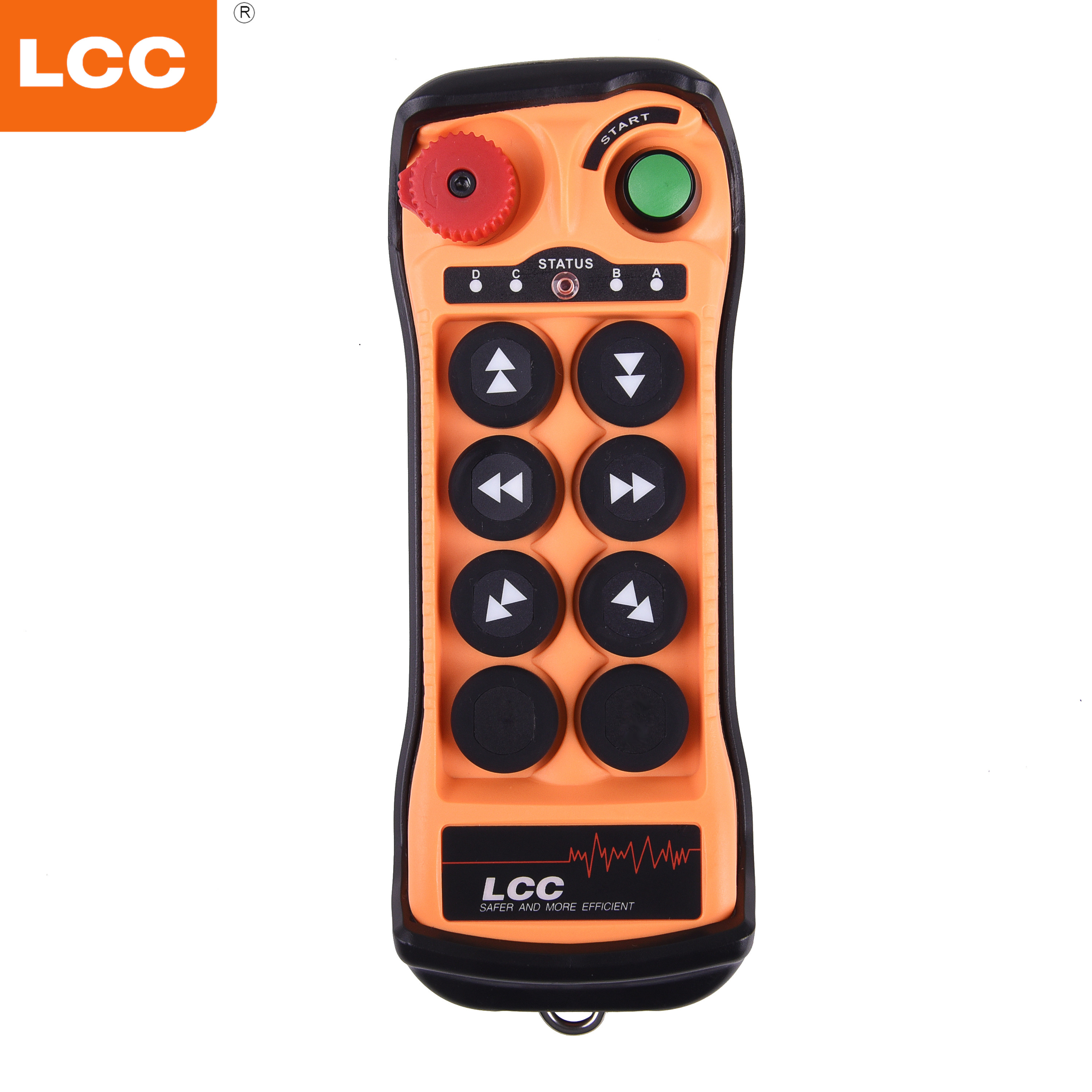
Cutting the cord requires careful technical evaluation. You cannot simply attach a radio system to any lifting machine. The new receiver module must exactly match your equipment's existing control architecture. A mismatch causes immediate hardware destruction. Proper integration requires following specific engineering steps. Upgrading to a wireless lifting controller demands a structured approach.
You must inspect the internal components of your current equipment. Look for a step-down transformer and a series of magnetic contactors. If your panel lacks these, it currently uses direct control. You must install a low-voltage contactor panel before adding any radio systems. Never attempt to wire a radio receiver directly into a high-voltage motor circuit.
Best Practices for Panel Auditing:
Always disconnect main facility power before opening hoist electrical enclosures.
Use a digital multimeter to verify absence of voltage across all phases.
Locate the schematic diagram usually pasted inside the enclosure door.
Identify the secondary output rating on the internal transformer.
Many technicians confuse receiver power with relay control voltage. This technical distinction determines system compatibility. A hoist transmitter receiver requires a dedicated power supply to operate its internal microprocessors. This supply is often 110V AC or 24V DC. However, its internal relays must also pass a specific control voltage back to the hoist’s contactors. These two voltages often differ. You must specify a receiver configured for your specific dual-voltage requirements.
Industrial facilities create harsh environments for radio frequencies. Massive steel beams block signals. Variable frequency drives create intense electromagnetic interference. You must specify the right radio frequency and operational range. Consider the structural layout of your workspace. Operating too far away causes signal drops. Signal drops instantly halt the lifting operation. Choose commercial systems utilizing automatic frequency hopping to prevent interference from adjacent machinery.
Online forums frequently suggest modifying cheap consumer hoists with generic online radio controllers. This forum-driven temptation creates enormous operational hazards. Splicing generic consumer remotes into industrial hoists bypasses crucial engineering logic. You compromise the inherent safety mechanisms of the lifting equipment.
Bypassing safety standards creates immediate physical risks. Professional installations route the control voltage through thermal overload relays and physical limit switches. When DIYers splice cheap controllers directly into direct-control setups, they often bypass these fail-safes. If a limit switch fails to break the circuit, the hook block crashes into the drum. Furthermore, cheap RF controllers lack dedicated communication frequencies. This leads to dangerous "ghost operations." Another device in your facility might accidentally trigger your overhead crane. A sudden, uncommanded lift easily causes fatal accidents.
Commercial-grade solutions eliminate these severe risks. Professional systems use secure, paired RF protocols. The transmitter and receiver share a unique cryptographic ID. No other radio can trigger your machine. Additionally, commercial receivers feature robust epoxy potting. This potting encapsulates the sensitive circuit boards. It protects them from severe industrial vibrations and airborne corrosive dust. Prioritizing commercial safety standards prevents catastrophic workplace accidents.
Voltage compatibility establishes the baseline for a successful upgrade. However, operational safety demands specific physical and functional features. You must specify hardware built for punishing environments. Consumer-grade plastics and generic switches fail rapidly in heavy industry.
The emergency stop mechanism remains your most critical safety feature. A proper emergency stop remote requires a physical, red, mushroom-style button. It must physically latch when struck. This action initiates a Category 0 stop. A Category 0 stop immediately removes all power from the machine actuators. It must hard-break the main line contactor circuit. It cannot rely on a software pause or a microprocessor command. If the microprocessor crashes, the hardware E-stop must still disconnect the power.
Ergonomics and durability dictate daily usability. Evaluate the physical build of the handheld unit. The casing must survive repeated drops onto solid concrete. It should utilize reinforced fiberglass plastics. Furthermore, operators wear heavy industrial gloves. The pushbuttons must offer distinct tactile feedback. Operators need to feel the distinct clicks between first-speed and second-speed actuations without looking down.
Finally, consider the battery ecosystem and system scalability. Standardizing battery types across your facility prevents workflow interruptions. Look for systems accepting standard AA batteries rather than proprietary packs. Additionally, evaluate the system's ability to pair multiple transmitters to a single receiver. This feature supports multi-operator workflows. It allows workers to safely hand off control of a load across long factory bays.
Specifying the correct equipment starts with fully understanding your existing control architecture. You must confirm a low-voltage contactor setup to ensure absolute operator safety and regulatory compliance. High-voltage direct setups belong in the past. Upgrading requires precise matching of receiver supplies and control voltages. Your next step involves immediate action. Consult your facility electrical schematics today. Alternatively, bring in a certified overhead lifting engineer to audit your panels. Never guess your control voltage before purchasing wireless hardware. Contact our technical sales team to match the perfect, fully compliant wireless controller to your existing infrastructure.
A: Not directly. You must first install a contactor relay panel. This panel safely separates the low-voltage control logic from the high-voltage motor power. Wiring a radio receiver directly into a high-voltage switch bypasses crucial safety limits and destroys the receiver.
A: Industrial hoists typically use 24V, 36V, 48V, or 110V AC for control voltages. However, 24V and 48V represent the modern standard. They offer maximum operator safety and easily comply with strict occupational safety regulations.
A: High-quality receivers feature multi-voltage transformers or selectable internal jumpers. This flexibility allows them to adapt to different global electrical standards. It ensures the same receiver model can integrate with various legacy hoist panels.
A: No. Control voltage only operates the internal relays and contactors. It simply sends logic signals. It has absolutely no impact on the motor's horsepower, torque, or the hoist's overall lifting capacity.